What Recovery Coaching Actually Looks Like (From the Coach’s of the Screen)
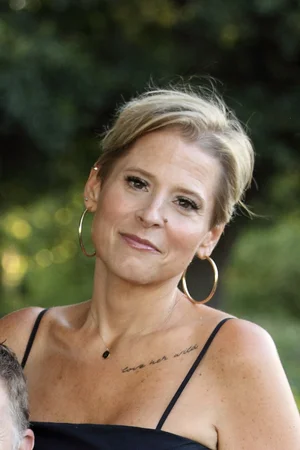
Amanda Scott-Telford
Trauma-Informed Recovery and Wellness Coach, International Practitioners of Holistic Medicine (IPHM)
People ask me what I do as a trauma-informed recovery coach, and I can give the professional answer: I use evidence-based frameworks like CBT, REBT, and neuroscience-informed approaches to help people heal from addiction, trauma, and maladaptive patterns. That answer is true. But it does not capture what this work actually feels like.
What it actually feels like is watching someone discover, in real time, that they are not broken. That the patterns they’ve been running from have a logic to them. And that they already have more strength than they realize.
The Moment It Clicks
I work with people over Zoom and in person, usually weekly. Some come in knowing exactly what they want to work on. Others show up carrying something they can’t name yet. Both are welcome.
One of the most rewarding things I’ve experienced as a coach is watching a client do the work between sessions. Not because I assigned it, but because something unlocked. I had a client who completed a values exercise on their own and came back the following week having connected the dots I hadn’t drawn for them. They said, plainly, that drinking kept them from showing up with the qualities they cared about most. Presence. Groundedness. Wisdom. Nobody told them that. They found it themselves. That is the most durable kind of motivation there is, and it’s what coaching is designed to create space for.
Tools That Become Theirs
In my work as a recovery coach, I introduce a lot of tools. Breathing techniques. Somatic regulation practices. Cognitive reframing. Urge surfing. But the goal is never compliance. The goal is integration. The difference matters. Compliance is doing something because your coach said to. Integration is making it your own because it works for you.
I taught one client a visualization technique called "play the tape forward," where you imagine the full sequence of what happens if you give in to an urge. A few days later, they were in an emotionally charged situation and felt the pull to numb. Instead, they played the tape. They sat with the discomfort. They chose not to drink. When they told me about it the following week, they were almost surprised at themselves. That surprise is what tells me the tool has transferred from the coaching session into their real life.
Shame Doesn’t Get the Last Word
Many of the people I work with carry shame, and it shows up everywhere. In how they talk about themselves, in what they avoid, in how they expect to be judged.
With some mindfulness and practice, clients reflect with genuine compassion, not only for the people around them, but for themselves. That is what it looks like when shame loosens its grip. Not all at once. Not perfectly. But enough to let something else in.
What I Actually Do
If you’re wondering what sober coaching or addiction recovery coaching looks like in practice, here is the honest version. I hold space. I ask questions that help people see patterns they’re too close to notice. I teach tools grounded in neuroscience and trauma-informed care, and then I watch those tools become theirs. I track what’s shifting, what’s stuck, and what’s emerging. I celebrate the wins that nobody else would recognize as wins, because I understand what they mean.
I also hold boundaries. I am not a therapist. I am not a psychiatrist. I know my scope of practice, and when a client needs clinical support beyond what coaching provides, I say so. That honesty is part of the trust.
What I bring that a textbook cannot is lived experience. I am a person in recovery. I’ve been facilitating evidence-based recovery groups twice a week for three years. I’ve sat in meetings, done the work, and built my life on the other side of it. And I carry certifications in mental wellness coaching, trauma-informed coaching, and addiction recovery coaching because lived experience alone is not enough. The combination of personal truth and professional training is what makes this work effective.
Why This Work Matters to Me
Every week, I watch people become a little more honest with themselves. I watch perfectionism soften. I watch someone who couldn’t sit still with discomfort a month ago choose to stay present instead of running. These shifts are often invisible to everyone else. But in a coaching session, they are everything.
This work is not about fixing people. It never was. It’s about helping people see what is already there, underneath the patterns, underneath the pain, underneath the story they’ve been telling themselves for years. And then building forward from that place.
You’re not broken. You’re becoming whole.
ABOUT THE AUTHOR
Amanda Scott-Telford is a Certified Trauma-Informed Addiction Recovery Coach and Certified Mental Wellness Coach (CPD/IPHM) and the founder of Emerging Whole, an evidence-based platform offering sober coaching, addiction recovery coaching, trauma-informed support, and practical resources for people healing from addiction, substances, maladaptive behaviors, trauma, and mental health challenges.
Emerging Whole is secular, non-programmatic, and grounded in neuroscience, CBT, and trauma-informed care.
→ Work with Amanda: emergingwhole.org/coaching
→ Helpful Resources: emergingwhole.org/worksheets
You’re not broken. You’re becoming whole.