It Wasn’t About the Addiction. It Was About the Trauma.
When someone asked me what I do for fun, and all I could think to answer was “drink,” I knew I was in trouble.
I knew it was bad when I just wanted everyone to leave so I could be alone with the bottle. I knew it was bad when morning came and everyone was awake, and I was sad because I’d been drinking alone all night—and I preferred it that way.
But understanding how I got there? That took a lot longer.
Where it Started
As a child, I learned early that my body didn’t belong to me. I learned that speaking up meant being told I was being dramatic, that I’d dreamt it, that I was making it up for attention. I learned that the adults who were supposed to protect me wouldn’t—or couldn’t—or simply chose not to.
“Alcohol let me detach from a body that had never felt safe to inhabit.”
When you grow up feeling fundamentally unsafe in your own home, you develop coping mechanisms. My first unhealthy comping mechanism was food. If I could just feel full, I thought, I would feel safe and okay. Later came alcohol—anything that gave me an escape from reality. Then shopping, filling my life with things to make the outside look perfect while the inside stayed hollow.
The pattern was always the same: consume something to fill the void, being left with feelings of ambivalence, repeat. I was one of those “hungry ghosts” I’d later read about—beings with tiny mouths and great stomachs that eat and eat but never get full.
Distress Intolerance
Here’s what people don’t like to admit about maladaptive behaviors: they work. Until they don’t.
Alcohol gave me something I desperately needed—distance from feelings I had no tools to process. It numbed the shame, quieted the voice that said I wasn’t enough, silenced the memories I couldn’t face. It let me detach from a body that had never felt safe to inhabit.
For years, I functioned. I had kids. A career. A good life on paper. But underneath, I was always struggling with something; food, alcohol, shopping, etc.
The thing about using substances or behaviors to cope is that your tolerance builds. What starts as a glass of wine to “relax” becomes a bottle to get through the evening. An occasional splurge escalates to daily online shopping. A meal becomes a way to gorge until I feel sick. What began as an occasional escape became the only way I knew how to exist.
Running Scared
One day, I took my daughter and her friend to get their nails done. I’d filled my water bottle with vodka–not all that uncommon–but this time I didn’t cut it with anything. On the way home I must have been pretty driving pretty erratically—and the kids noticed. One of them wasn’t even mine, and his mother, my best friend, was furious when she found out.
I was ashamed. But more than that, I was furious that she knew. My secret was exposed.
So I did what I always did when I couldn’t stand my feelings: I tried to escape. This time I ran. I got in my car and drove, with a bottle of wine in the cup holder and two more in the back seat.
I hit the center median. I hit the guardrail. I nearly killed myself and put thousands of other people at risk. I checked into a hotel two hours from home and spent the night crying and shaking.
The next morning, all I wanted was to be home. I was terrified I’d finally done the thing that would make my husband leave me. He didn’t. Instead, he looked at me and said: “It’s time.”
Getting Help
I spent 28 days in treatment, and here’s what surprised me: I didn’t learn much about getting sober. I learned about why I drank in the first place.
Neuroscience. Therapy frameworks. Critical thinking. Understanding trauma and how it literally changes your brain. Learning that the coping mechanisms I’d developed as a child made perfect sense given what I’d survived—but they were now destroying the life I was trying to build. It was a form of self-sabotage because, deep down, I just knew I didn’t deserve happiness.
I learned about processing trauma instead of burying it. About the difference between surviving and actually living. I learned grounding techniques and breathwork.
The scariest part wasn’t the first day of treatment. It was the last—facing the real world without my primary coping mechanism. Walking through LAX, past all the bars, to board my flight home to what I hoped would be a new beginning.
Facing the Storm
Someone in early recovery told me: “We’ve been running forever instead of turning and facing our pain.” This resonated deep within me. She told me about bison—how they instinctively move directly into storms because it shortens their exposure to harsh conditions.
That first time I felt intense feelings without numbing them, I felt like I couldn’t catch my breath. I felt like a cornered animal. My heart slammed in my chest. Every instinct screamed at me to run away, to drink, to escape...anything but feel this.
“The feelings you’ve been numbing are information. The pain you’ve been avoiding is actually trying to show you where healing needs to happen.”
That moment was the first time I’d experienced something with a clear head and willingness to look at my feelings, to hold and examine them.
I went for a run–past my old favorite liquor store, ending up in an empty parking lot with tears streaming down my face. It felt like years of grief pouring out at once. I phoned a recovery friend.
It was messy, but I made it. My first real test, and I got through it by facing it head on, by feeling the pain.
Then I began to make changes. I surrounded myself with friends who supported me. I set boundaries. I asked for help when I needed it.
Moving Forward
Here’s what I wish someone had told me: Getting sober is just the beginning.
After treatment, I didn’t want to lose what I’d learned, I wanted to understand my why. What made me want to escape my feelings in the first place?
I joke with the groups I facilitate that I don’t know how to do things halfway—I went all in on drinking, and then I went all in on recovery. Within months, I started training to become a recovery meeting facilitator.
For the past three years, I’ve been facilitating recovery groups twice a week. And I’ve learned more from teaching these concepts than I ever did from just hearing them. When you have to explain cognitive behavioral approaches to 50 people, when you have to break down why certain thinking patterns keep us stuck, when you research and present on everything from managing urges to building self-acceptance—it begins to change you.
Teaching forced me to translate therapeutic frameworks into language that makes sense, to find the practical applications, to understand not just what works but why it works. Every session reinforced my own recovery while helping others on their journey.
The real work is figuring out what you’re trying not to feel, what truths you have to face, what changes you have to make. It’s learning that the key to lasting recovery isn’t just abstaining from your drug of choice—it’s getting to the bottom of why you needed it in the first place.
The best recovery is building a life you don’t need to escape from. It’s learning that connection is the opposite of addiction. It’s discovering that when you get down to your bare bones, real honest, truest self—there’s nothing left to hold you back anymore.
Emerging Whole
I began to share my story because I needed to know I wasn’t alone, and maybe you do too.
If you’re reading this and recognizing yourself, I want you to know: the thing you’re most afraid of facing might very well be your way to break through. The feelings you’ve been numbing are information. The pain you’ve been avoiding is actually trying to show you where healing needs to happen.
You don’t have to have all the answers. You just have to be willing to start asking hard questions.
Getting sober gave me my life back. Recovery is teaching me what to do with it.
And that’s the work I’m here for—taking what I learned in treatment and what I’ve taught to thousands of people in recovery groups, and translating it into tools that work in your real, messy, extraordinary life. Because you deserve more than just surviving. You deserve to emerge whole.
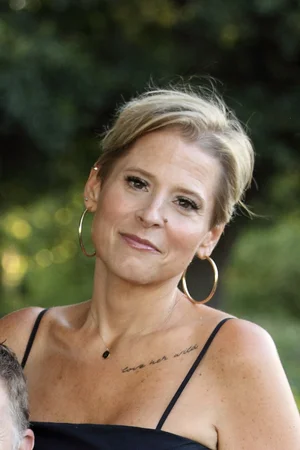
I’m Amanda, and I started Emerging Whole because I saw a gap nobody was talking about. After treatment, after we do the work to get sober or recognize our trauma—then what? For some, that’s simply enough. But some of us want more.
We want to flourish, to thrive.
I want to help you figure out who you’re becoming, how to rebuild relationships, find purpose, and navigate life.
I use tools from CBT, REBT, and other evidence-based frameworks–translated into practical, real-world guidance.
We got our lives back, let’s figure out what to do next! Let’s emerge from this healthier, stronger, healed, and whole.