
Your Body Knows Before Your Brain Does
The ABC-DE method is one of the best tools for managing urges in recovery. But most versions miss half the picture—your body. Here’s how adding somatic awareness changes everything, plus a worksheet to try it yourself.

The Girl Who Was Never Enough
Religious trauma, childhood abuse, and shame can feel like a life sentence — especially when the people who were supposed to protect you were the ones causing the harm. Emma's story is one of CPTSD, the shame-addiction cycle, and finding a secular recovery path when traditional approaches didn't fit.

Breaking Free: Evidence-Based Strategies for Process Disorders (Part 3 of 3)
You can't just quit eating. Most people have to work. Movement is essential for health. That's what makes process disorders uniquely challenging—abstinence often isn't the goal. Instead, you need strategies that help you build a new relationship with the behavior. This post covers five evidence-based approaches: CBT for mapping triggers, REBT for challenging beliefs, IFS for understanding your protective parts, mindfulness for riding out urges, and practical environment design. The goal isn't elimination—it's the difference between being driven by compulsion and making conscious choices.
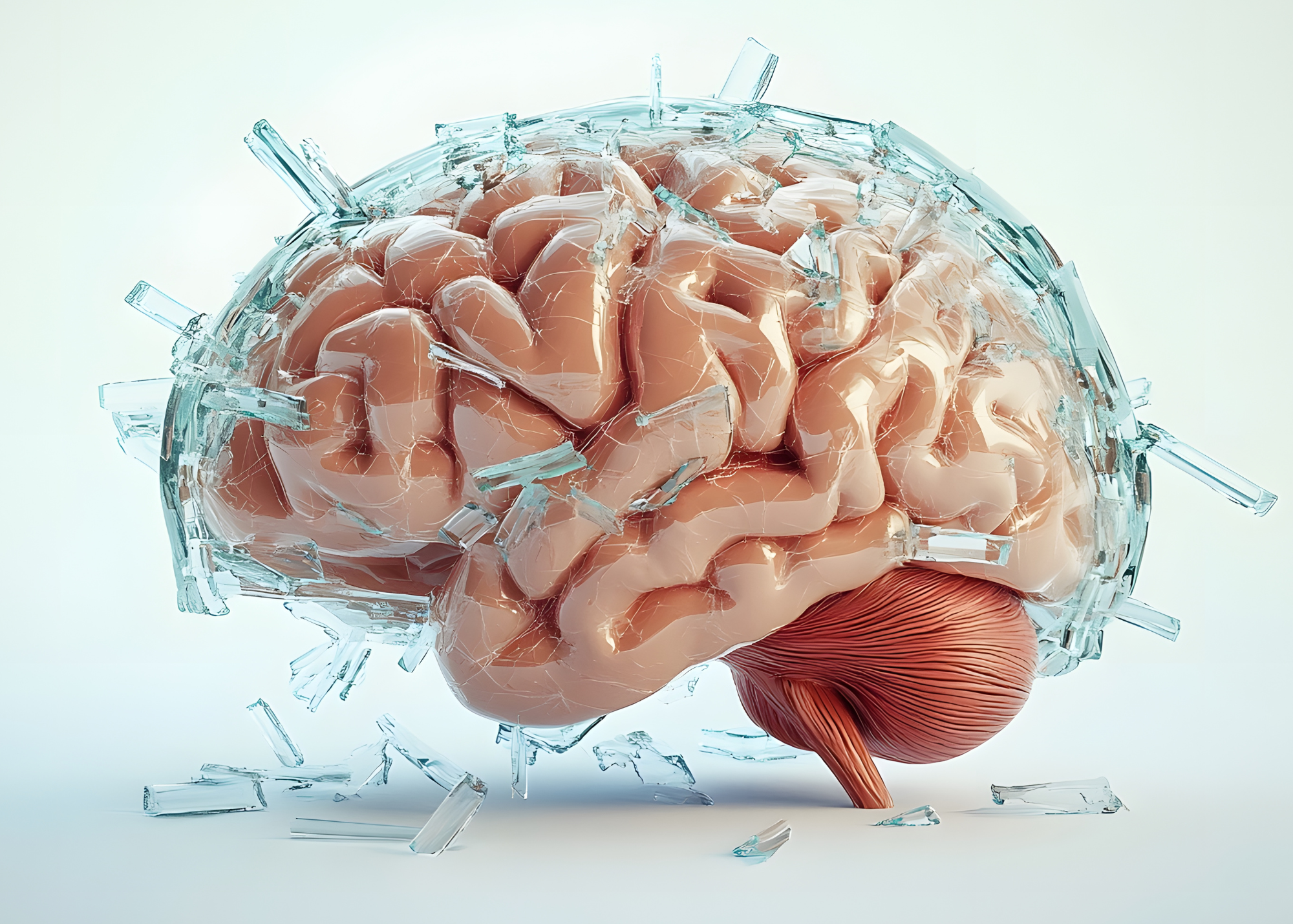
Your Brain on Behaviors: The Science of Process Disorders (Part 2 of 3)
Process disorders aren't about willpower—they're about brain chemistry. Understanding the neuroscience is the first step toward rewiring the pattern.

When the Behavior Becomes the Problem: Understanding Process Disorders (Part 1 of 3)
You know you should stop, but you keep going anyway—scrolling, shopping, working, exercising. The behavior started as something enjoyable. Now it feels like it's controlling you. If this sounds familiar, you're dealing with what researchers call process disorders. Understanding them is the first step toward taking back control.