When Your Brain Hijacks Your Coping
Understanding Emotional Regulation and Maladaptive Behaviors
Written by Amanda Scott-Telford, Trauma-Informed Recovery and Wellness Coach, IPHM
Part1 of the Emotional Regulation Series
You know that feeling when you've had aday and you find yourself standing in front of the open fridge at 11 PM, not even hungry? Or when stress hits and you scroll TikTok for three hours straight? Or when anxiety spikes and you're suddenly online buying things you don't need?
Welcome to the world of maladaptive emotional regulation. And here's the thing: your brain isn't broken. It's actually doing exactly what it's been trained to do.
The Emotional Regulation Cycle: Your Brain on Autopilot
Let’s talk about what's happening in the brain. When we experience a cue—whether it's positive (eating a good meal), neutral (walking by a bakery), or negative (getting yelled at by a boss)—our brain processes it and creates an emotional response.
Positive cues generally lead to positive emotions: happy, relaxed, content. Negative cues trigger negative emotions: stressed, anxious, overwhelmed.
Here's what will surprise exactly none of us with an addiction/maladaptive behavior: When those negative emotions show up, your brain starts looking for a quick fix. It remembers what worked before to make you feel better, even temporarily. And if eating, drinking, shopping, or scrolling gave you relief in the past, your brain says, "Hey, let's do that again."
So you get a craving. You act on it. You eat, drink, buy, scroll—whatever your go-to is. And for a moment, you feel better. Your positive emotions increase, or your negative ones decrease. Your brain notes this: "Success! Problem solved!"
Except the problem isn't solved. Not really.
Read: Let’s Talk About the Why
Why This Becomes a Problem
This cycle creates what’s called reinforcement. Every time we use that behavior to regulate our emotions, we’re strengthening the neural pathway that says, "This is how we handle difficult feelings."
The more we do it, the more automatic it becomes. Eventually, we don't even think about it. Stress happens, and before we're consciously aware of feeling stressed, we're already three drinks in, or the shopping cart is full, or we've eaten an entire pizza.
Why it’s maladaptive:
It's temporary. That relief you feel? It lasts maybe an hour, maybe less. Then the original emotion comes back, often accompanied by guilt and shame.
It doesn't solve anything. Your boss is still a jerk. Your anxiety is still there. The bills still need to be paid. You've just postponed dealing with it.
It creates new problems. Now you're dealing with the original issue PLUS the consequences of your coping mechanism—the hangover, the credit card bill, the weight gain, the lost time.
It replaces real coping skills. Every time you reach for the quick fix, you're NOT developing healthier ways to manage your emotions. You're robbing yourself of the chance to build real resilience.
The Full Roster of Maladaptive Behaviors
Let's be clear: this isn't just about food or substances. Your brain will use whatever works to regulate emotions. Here's what that can look like:
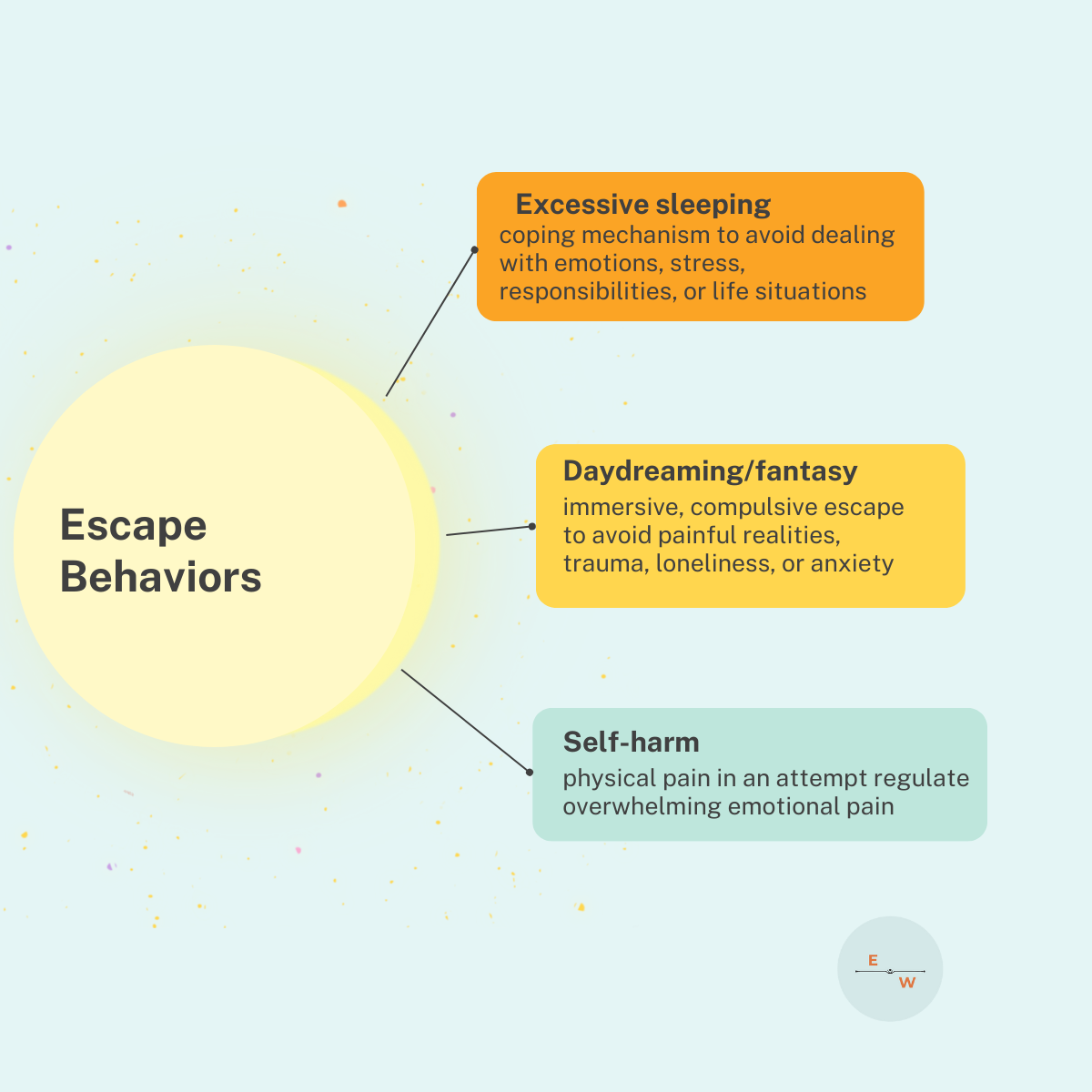
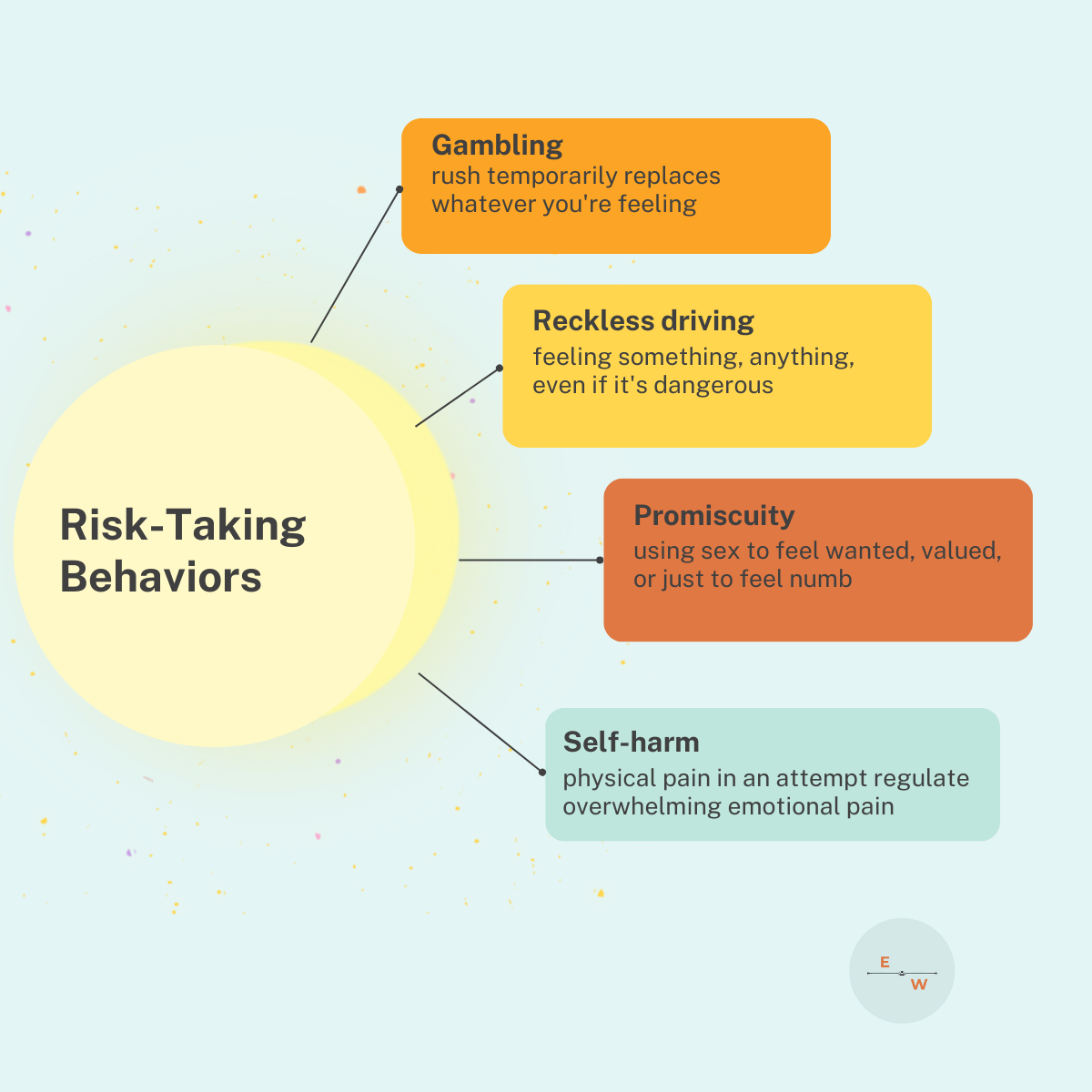
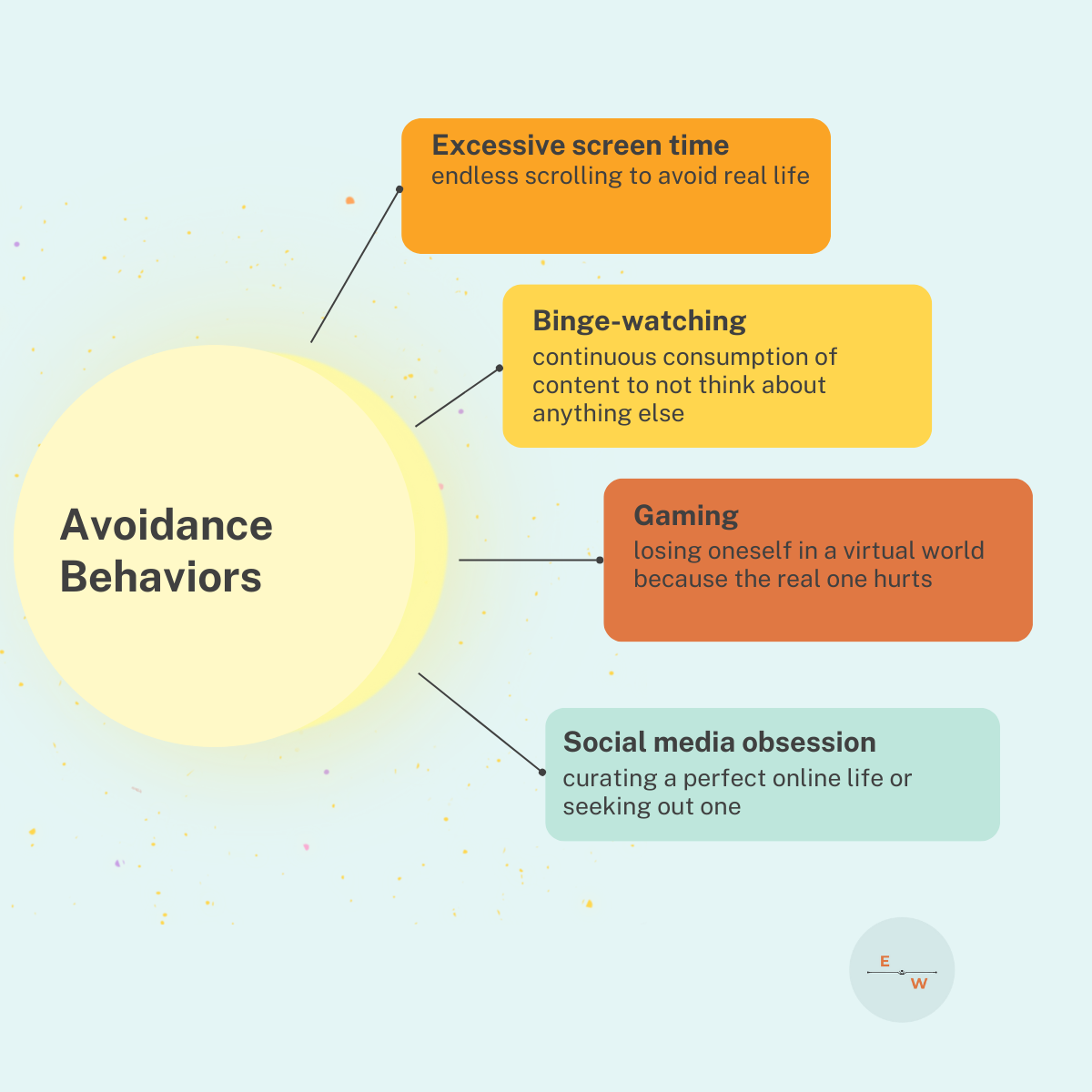
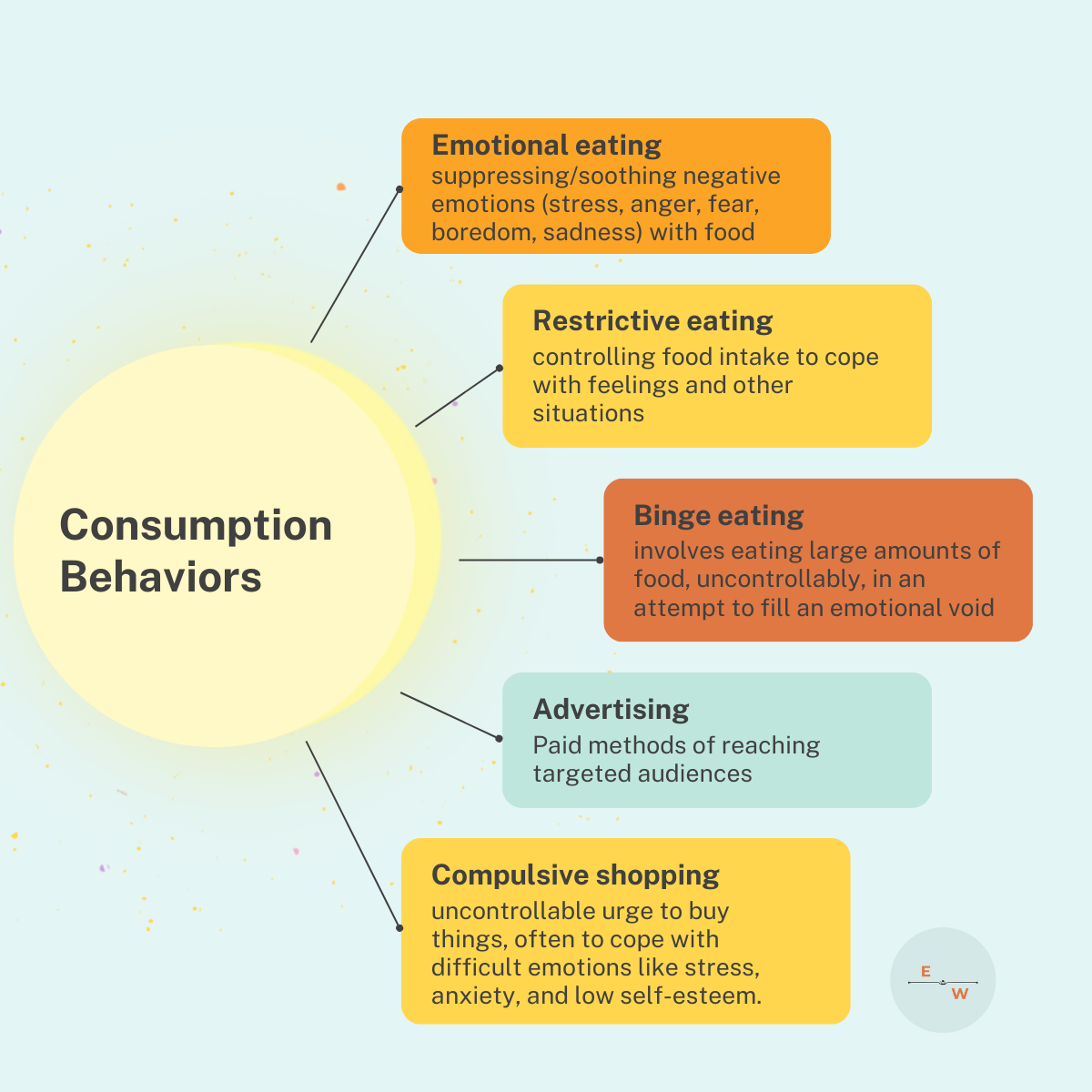
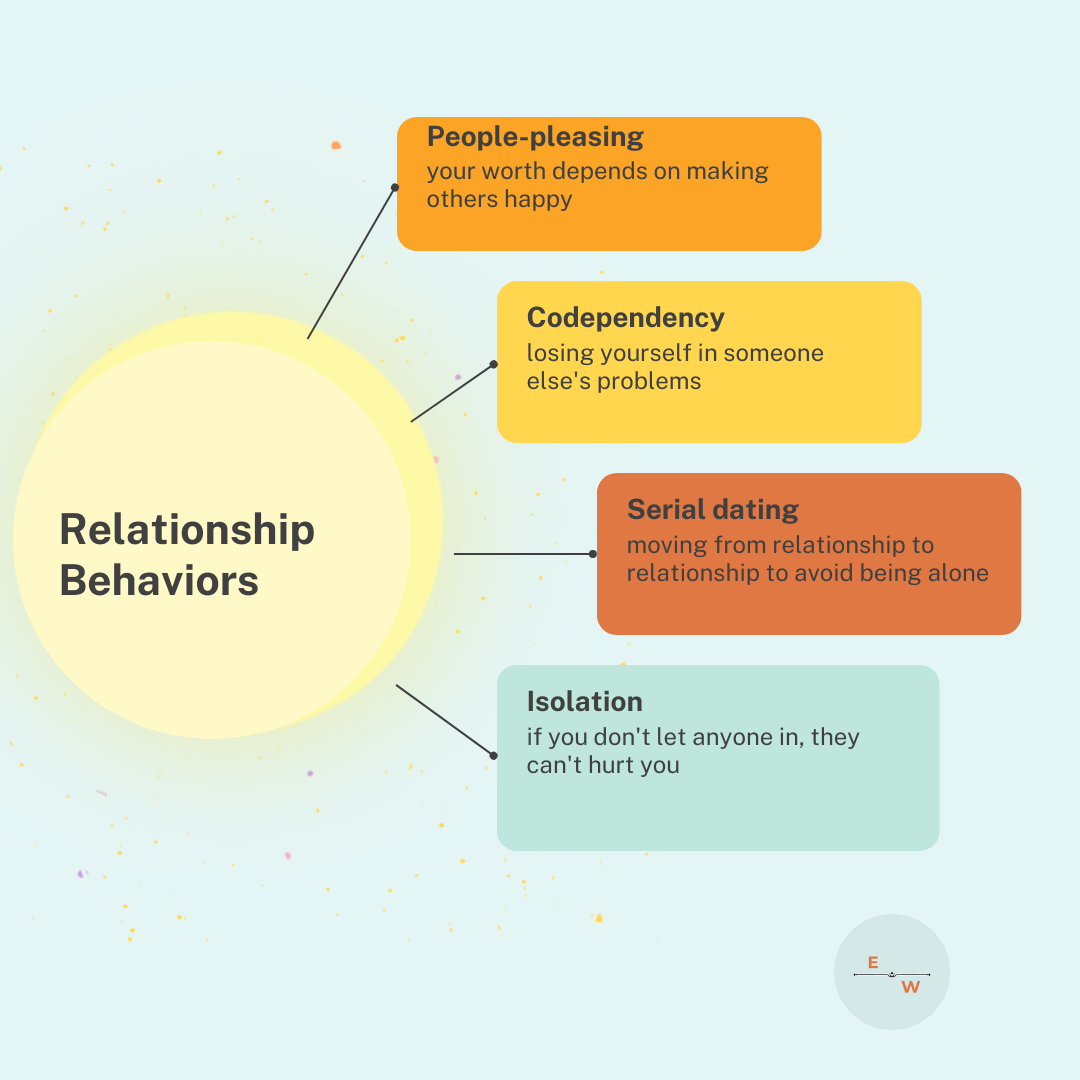
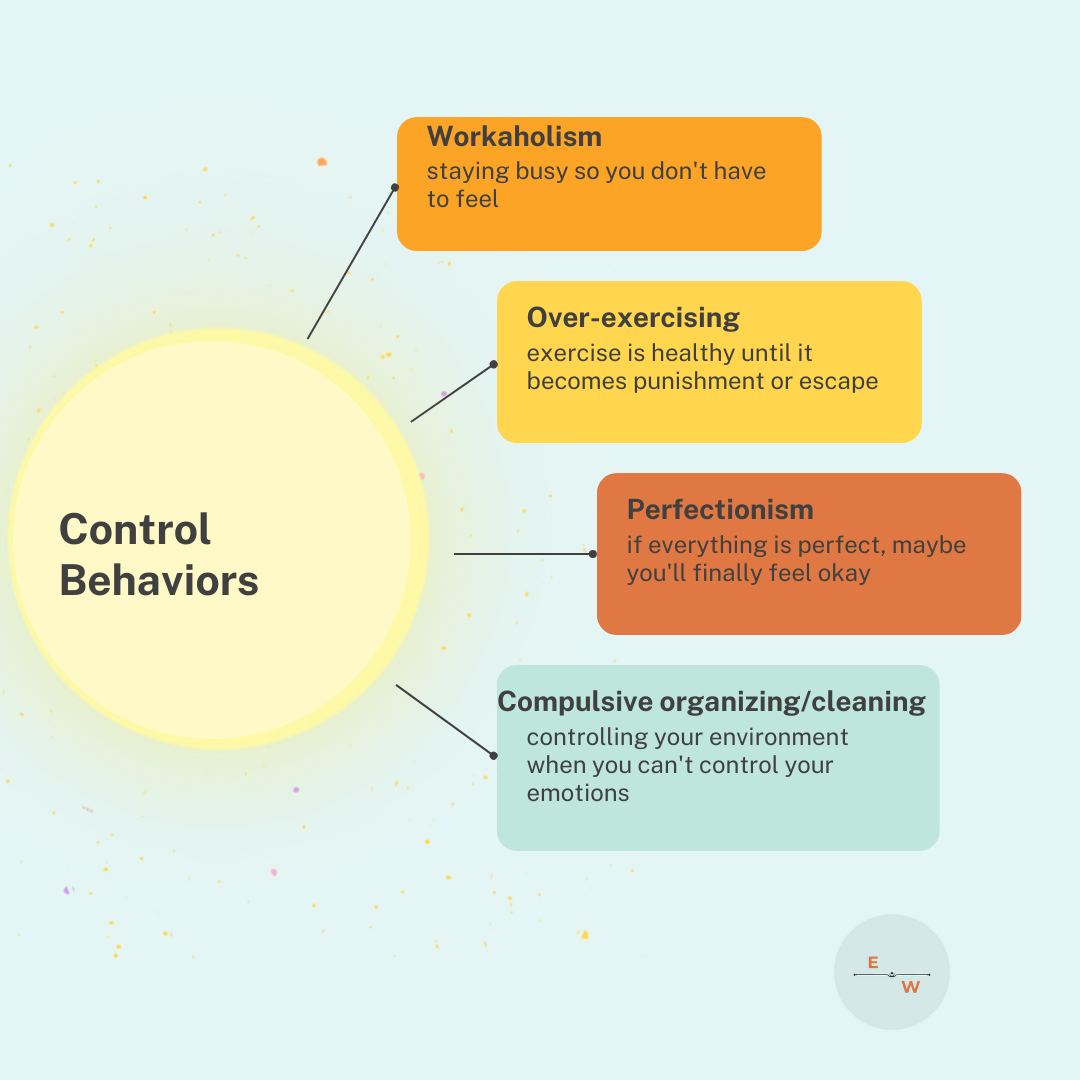
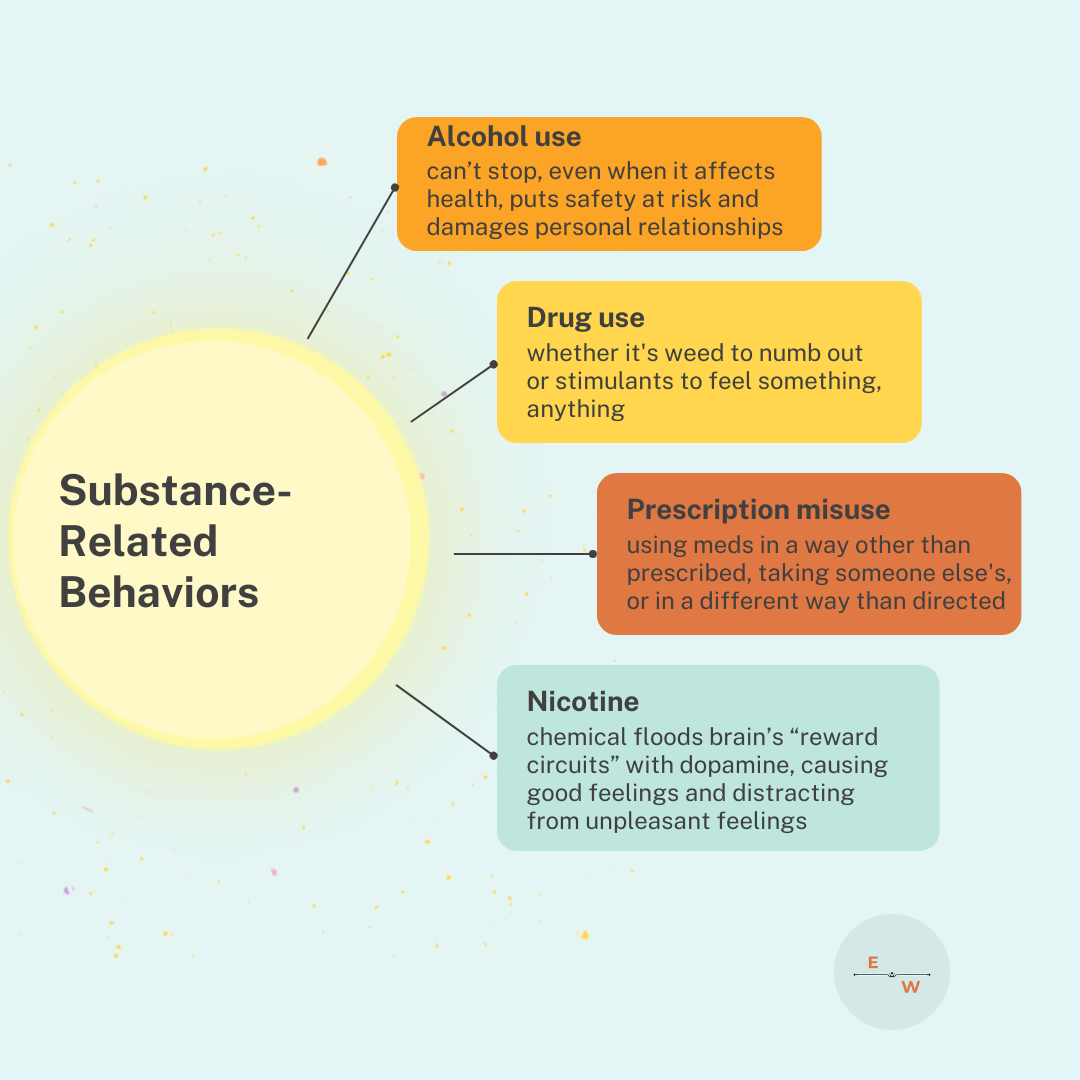
What All These Have in Common
Whether it's the bottle, the credit card, the refrigerator, or the phone, the mechanism is the same:
Negative emotion → Craving for relief → Behavior → Temporary relief → Reinforcement
Your brain learns: "When I feel bad, I do this thing, and I feel better." It doesn't matter that "better" lasts five minutes. It doesn't matter that you're making things worse in the long run. Your brain is focused on right now, and right now, it wants relief.
Breaking the Cycle: What Actually Works
Here's the hard truth we all must learn to have any kind of long-term success: you can't break this cycle without learning to actually feel your feelings. I know, I know. If there was any other way, you'd already be doing it.
Build awareness. Start noticing the pattern. What emotion triggered the craving? What were you trying to avoid feeling?
Develop distress tolerance. Learn to sit with uncomfortable emotions without immediately trying to fix them. They won't kill you, I promise.
Create new pathways. When you feel that craving, pause. Even for 60 seconds. Ask yourself: "What am I actually feeling right now? What do I actually need?"
Build real coping skills. Deep breathing isn't sexy, but it works. So does therapy, calling a friend, going for a walk, journaling, or just letting yourself cry.
Address the root causes. If you're constantly stressed because your job is toxic, no amount of coping skills will fix that. Sometimes the problem isn't your emotional regulation; it's the situation you're in.
Read: It Didn’t Start With You
The Bottom Line
Your maladaptive behaviors aren't character flaws. They're your brain's best attempt at emotional regulation with the tools it has available. The problem isn't that you tried to feel better—it's that the methods you're using don't actually work long-term.
The good news? You can teach your brain new ways to handle difficult emotions. It takes time. It takes practice. It takes being willing to feel uncomfortable in the short term to feel better in the long term.
But it's possible. You're not broken. You're just using outdated coping software. Time for an upgrade.
But Why Is It So Hard to Stop?
You might be reading this and thinking, "Okay, I get it. I recognize the pattern. I understand that my brain is using these behaviors to regulate emotions. So why can't I just... stop?"
Here's the thing: recognizing the pattern is step one. But understanding why your brain keeps pulling you back—even when you know better, even when you hate what it's doing to you, even when you desperately want to change—that's where it gets really interesting.
Because it's not about willpower. It's not about being weak. It's about what's actually happening in your brain at a chemical level.
Your brain isn't just learning a bad habit. It's literally rewiring itself. And those "quick fixes" you've been reaching for? They're changing your baseline brain chemistry in ways that make stopping feel impossible.
In Part 2, we're going to pull back the curtain on the neuroscience of maladaptive behaviors. We'll talk about the pleasure-pain seesaw, why temporary relief creates permanent problems, and why you might be walking around in a dopamine deficit state without even knowing it.
Trust me—once you understand the mechanism, everything about your recovery changes.
→ Ready to understand why stopping is so hard? Read Part 2: The Dopamine Deficit